Your questions answered: Be School Ready – Expert answers for parents of primary starters
 Image: A man and a primary school-age boy holding hands walking to school.
We answered as many as we could on the day, and Parentkind’s Parent-School Advisor Sarah Anyan has helped us respond to some of the questions we didn’t have time to cover.

Are there any school preparedness sessions or courses over the summer?
Many schools and nurseries offer informal transition activities such as stay-and-play sessions, short visits or opportunities to meet future classmates. These can be really helpful because they give children a feel for their new environment and help school become a familiar place.
Some schools even organise community events where children and parents can get to know each other before September. If these aren’t available, don’t worry. There is plenty you can do at home to help your child feel ready.
Talking positively about school, reading books about starting school and practising everyday routines such as getting dressed, using the toilet independently and tidying away toys can all help build confidence. Even walking past the school or visiting the playground can make the experience feel less daunting.
How can I support my child through a staggered start at school?
A staggered start can sometimes feel more challenging for parents than it does for children. While it may take a little time to settle into a new routine, most children adapt surprisingly quickly.
The key is to keep other parts of the day as predictable as possible. Consistent morning routines, clear pick-up arrangements and regular bedtimes can help your child feel secure while other aspects of their week are changing.
It can also help to talk through the day in simple terms, so your child knows what to expect. Even if they’re moving between nursery, home and school during the first few weeks, they will usually make sense of the new routine with your reassurance and support.
How can I help my younger child feel confident about starting school next year, especially if they find transitions difficult?
Every child approaches new experiences differently, even within the same family. If your child finds transitions challenging, try to keep conversations about school positive and low-pressure.
Rather than focusing on starting school itself, build their confidence through everyday experiences. Encourage independence where appropriate, celebrate their achievements and spend time doing activities they enjoy and feel successful in.
Introducing school through stories, role play and conversations can also help. If you can connect school to something they already love, like making friends, drawing, building or a favourite story character, it often feels much more approachable.
Can 15 minutes of play before bedtime help without overstimulating my child?
Absolutely. Play before bedtime doesn’t need to be energetic to be meaningful.
Quiet activities such as drawing, puzzles, building blocks, reading together or imaginative play can help children feel calm and secure before sleep. Allowing your child to lead the play for a short period can be especially valuable after a busy day.
Keeping the environment calm, with lower lighting and fewer distractions, can help signal that bedtime is approaching. Often, it’s not about the activity itself, but the quality of that uninterrupted time together.
Should my child attend after-school clubs when they start reception?
There is no right or wrong answer. Every child settles into school differently.
For some children, after-school clubs are a wonderful opportunity to make friends, explore new interests and build confidence. For others, the school day may feel tiring at first and they may benefit from some quiet time at home while they adjust.
If possible, consider introducing clubs gradually rather than signing up for several at once. Watch how your child responds to the school day and be guided by their energy levels and enthusiasm. Remember, there will be plenty of opportunities to join activities throughout the year.
How can I help my child learn to dress themselves, including putting on coats and shoes?
Learning to manage clothing independently is a great way to build confidence before starting school.
The best approach is to give your child lots of opportunities to practise little and often. Encourage them to put on their coat, fasten zips, manage buttons and take off their shoes as part of everyday routines.
Head to our Be School Ready hub to watch our preparation video and download the 3–2‑1 Ready for school chart to make practising these skills fun and motivating in the lead-up to starting school.
How can I support my child’s learning when I work full-time or shifts?
Many parents worry about not having enough time, but supporting your child’s learning doesn’t have to mean setting aside long periods for formal activities.
Some of the most valuable learning happens during everyday moments. Talking together while travelling, preparing meals, reading a story before bed or chatting about the day all help develop communication, language and confidence.
Focus on small, consistent opportunities to connect. Even ten minutes of focused attention can have a positive impact. What matters most is not the amount of time you have, but the quality of the interactions you share.
How can I best support a child who struggles transitions to go from nursery to reception?
Transitions can feel challenging for some children, particularly when they are leaving a familiar environment and moving somewhere new.
Preparation can help. Talk positively about school, read books about starting school and encourage your child to share any questions or worries they may have. If possible, attend transition events and become familiar with the school environment before term starts.
Roleplaying different scenarios before school starts can also be helpful for some children.
It is also important to acknowledge your child’s feelings. Let them know it is okay to feel excited, nervous or a mixture of both. Feeling understood and supported can make a big difference to how children approach change.
Most importantly, remember that settling in is a process. Children develop confidence at different rates and it is completely normal for adjustment to take time.
My child is toilet trained but still needs help with cleaning. Will support be available?
Yes. School staff understand that children develop self-care skills at different rates and support will be available while your child continues to build confidence and independence.
If you have any concerns, it’s always helpful to speak with the school before your child starts so they understand your child’s needs and can reassure you about the support available.
You can also explore our Toilet Training Toolkit for practical tips and advice to help your child develop these skills over time.
Remember, being school ready isn’t about getting everything perfect before September. It’s about helping your child feel confident, capable and excited for the journey ahead. For more support, practical advice and free resources, visit our Be School Ready hub.

Did you miss out on our Be School ready panel discussion? You can watch the recording and read the blog for all the tips and advice for parents of new school starters.
-
 From first-day nerves and friendships to school routines and independence, parents had plenty of questions during our Be School Ready: Expert answers for parents of primary starters panel discussion.
 -
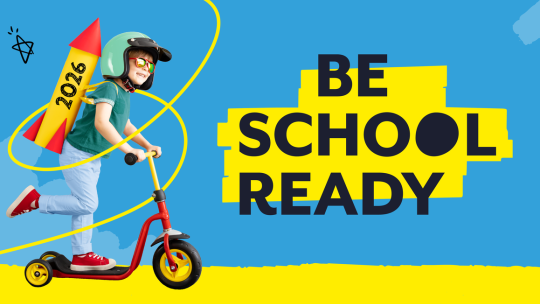 Starting school is a big step, and we’re here to help you feel prepared. Explore practical advice, downloadable resources and supportive guidance to help your child settle in with confidence.