The father’s role: Breaking stereotypes and getting involved
 Image: A father reading a book to his primary school-aged daughter.
Today, more fathers are stepping into parenting with intention, empathy and active engagement, and the impact is profound.
Fathers are not just helpers or backup parents — they are equally important figures in a child’s development. When dads break free from outdated stereotypes and become fully involved in their children’s lives, families thrive.

Why active fatherhood matters
Studies consistently show that children with engaged fathers tend to have better social, emotional, and academic outcomes. They’re more likely to feel secure, perform well at school and develop strong communication skills. Boys benefit from having positive male role models, and girls grow up with a stronger sense of self-worth when fathers are consistently present. In short, dads matter, not just as providers, but as nurturers, supporters and role models.

Breaking the stereotypes
The outdated belief that fathers should stick to the sidelines, only stepping in for sports days or weekend outings, is gradually being replaced by a more realistic and meaningful approach. Modern fatherhood embraces everything from bedtime stories and nappy changes to heart-to-heart chats and helping with homework. By challenging old norms, dads send a powerful message: parenting is not gendered. Love, patience and presence are not reserved for mothers. Children benefit from both parents sharing responsibilities, regardless of tradition.

Practical ways dads can get involved
Be present in daily routines
Whether it’s preparing breakfast, doing the school run or helping with the bedtime routine, small daily actions make a big difference. These moments foster trust and connection.
Attend school and extracurricular events
Show up for parents’ evenings, school plays, matches and recitals. Being there not only boosts your child’s confidence, but also strengthens your relationships with their teachers and peers.
Share emotional support
Don’t shy away from your child’s emotional needs. Listen without judgement, offer comfort and show vulnerability. Emotional openness helps children develop empathy and resilience.
Take the lead
Co-parenting works best when both partners feel supported. Taking the lead with things like planning family days, organising playdates or scheduling medical appointments shows that parenting is a shared responsibility.
Be a positive role model
Children learn by example. Demonstrating respect, kindness, responsibility and emotional intelligence helps shape your child’s values and behaviour.

Supporting dads in doing more
Fathers also need support to fully embrace their role. This includes workplace flexibility, better paternity leave policies and more inclusive parenting spaces that don’t assume mums are always the default parent. Encouraging conversations around mental health and the pressures dads face is equally important in breaking the silence and promoting shared parenting.

When dads step into parenting wholeheartedly, they enrich their children’s lives and help build more balanced, compassionate families. Being involved isn’t about grand gestures — it’s about being consistent, caring and fully present. The modern dad isn’t just a helper, he’s a parent, in every sense of the word.
-
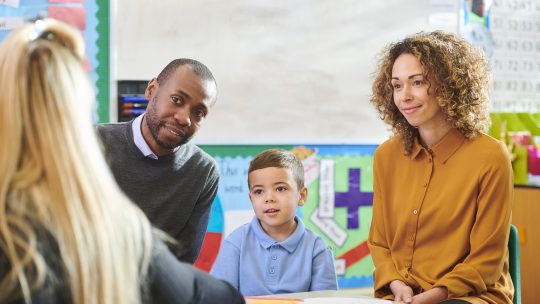
Why parental involvement in schools matters
25 July 2025Research consistently highlights the significant impact of parent involvement on a child’s academic performance. From boosting motivation and improving behaviour to enhancing academic outcomes, the benefits are clear. -

Get your kids reading — here’s how!
03 January 2025Encouraging a love for reading in primary school-aged children can be a delightful journey. As parents, you play a crucial role in nurturing this passion. Here are some practical tips and book recommendations to help your child develop a lifelong love for reading.